

Basic Concept of NSS
The National Service Scheme (NSS) is a Central Sector Scheme of the Government of India, launched in 1969, the birth centenary year of Mahatma Gandhi. It functions under the Ministry of Youth Affairs and Sports and aims to develop students' personality and character through community service. The basic concept of NSS is to provide students with practical experience in addressing social problems and to encourage them to participate actively in nation-building. Through voluntary service, students develop leadership, discipline, social responsibility, national integration and a spirit of cooperation. NSS activities include village development, cleanliness campaigns, environmental protection, health awareness, blood donation, literacy programmes and disaster relief.
Motto of NSS

It expresses the spirit of selfless service and emphasises the importance of placing the welfare of society above individual interests. It promotes mutual understanding, cooperation, empathy, social harmony and respect for others. The motto encourages students to serve the community with commitment and responsibility.
NSS Day

NSS Day is celebrated on 24 September every year to commemorate the launch of the National Service Scheme on 24 September 1969. The day highlights the importance of voluntary community service, social responsibility and youth participation in nation-building. Educational institutions celebrate NSS Day by organising blood donation camps, cleanliness drives, tree plantation, health awareness programmes, rallies and community service activities.
Classification of NSS Programmes
The NSS programmes are broadly classified into two major categories:
Regular Activities
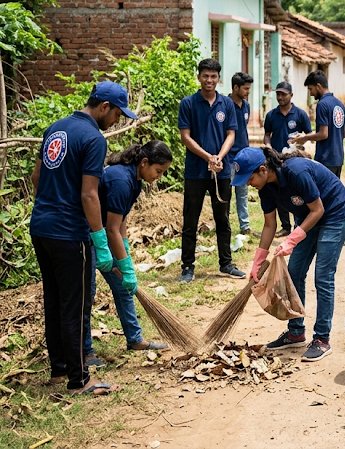
NSS volunteers undertake a minimum of 120 hours of community service per year for two consecutive years. Activities include campus cleaning, environmental protection, literacy campaigns, health awareness, blood donation, road safety, voter awareness and community development programmes.
Special Camping Programme
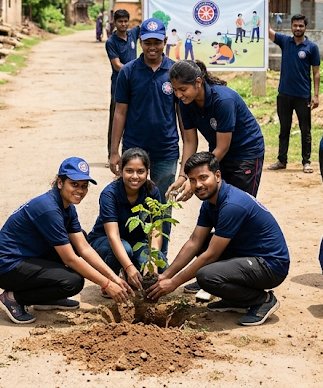
NSS units organise a seven-day special camp in an adopted village or urban slum, focusing on specific community needs. Activities include sanitation, village development, environmental conservation, health education, awareness campaigns and interaction with local communities. Volunteers are expected to participate in one special camp during their two-year volunteership.
The two programme categories aim to strengthen the relationship between educational institutions and communities while developing leadership, teamwork, civic responsibility and the spirit of service among students.